
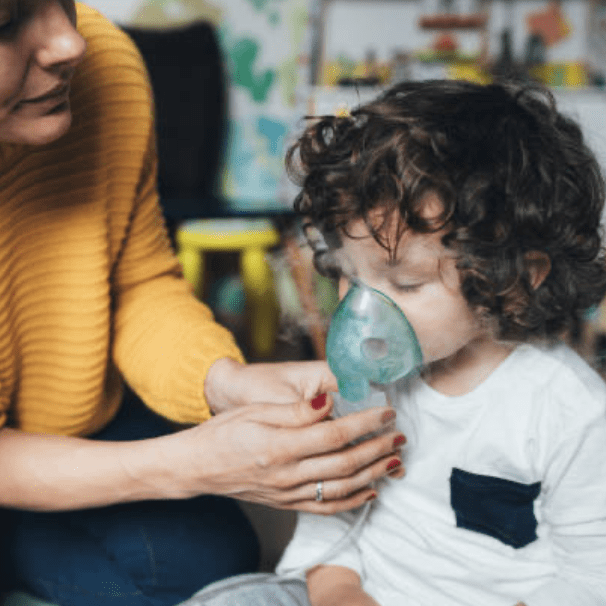
Your child is not weak. It’s called Crèche Syndrome, and it’s a sign their immune system is doing its job—building resistance for life to Boost Their Immunity
“We’ve been in creche for six months, and I feel like my child has been sick for 12.” If this sounds familiar, you are not failing as a parent, and your nursery is likely doing a good job. This relentless cycle of colds, sniffles, and mild tummy bugs is a common and predictable part of early childhood development, known as Crèche Syndrome or the Daycare Virus.
This post explains why it’s normal, why you shouldn’t panic, and the simple ways you can strengthen your child’s defenses.
1. Why It’s Normal: Understanding the Viral Exchange
The sheer number of infections is explained by The Exposure Gap and The Viral Load.
- When a child enters a group setting, their immune system, which has only encountered a limited number of viruses, is suddenly exposed to dozens of new ones shared through shared toys, drooling, and uninhibited sneezing.
- Paediatricians confirm that children in daycare can get 10 to 20 upper airway infections (colds) in the first year alone.
- The Good News? Each infection your child fights off is a lesson for their immune system, creating antibodiesthat build resistance. It is often said that children who go through this process early are healthier than their peers who stayed home once they reach primary school.
2. The Trio of Defense: Food, Sleep, and Hygiene
You cannot stop the exposure, but you can strengthen your child’s defenses. Focus on these three non-negotiables:
A. Power Up with Nutrition (Diet & Local Supplements)
70-80% of immune cells reside in the gut. While a balanced diet is key, many parents rely on supplements to bridge nutritional gaps during periods of high sickness.
- Immunity Helpers: Focus on Vitamin C, Zinc, and Probiotics.
- Supplementing: Many parents rely on well-known South African products for immune support:
- Multivitamins: Vi-Daylin is a trusted daily multivitamin.
- Immune Support: Créche Guard (a popular multivitamin/mineral syrup) or Zinplex Junior (high in Zinc, Selenium, and Vitamin C) are frequently used to proactively boost immune function.
- (Always consult your pediatrician or healthcare provider before starting any new supplement regimen).
B. Protect with Sleep
Toddlers need 11–14 hours of sleep a day (including naps). Consistent, quality rest gives the body the crucial time it needs to repair and fight off infections. A tired child is a vulnerable child.
C. Teach Basic Hygiene
The simplest defense is the most effective. Instill these habits early:
- Wash hands with soap for 20 seconds (singing Happy Birthday twice).
- Cough or sneeze into their elbow, not their hands.
- Avoid rubbing eyes, nose, or mouth, especially after touching shared items.
3. The Crucial Question: When to Keep Them Home
To protect your child and break the cycle of sickness for others, you must adhere to strict guidelines. You must NOT send your child to nursery if they have:
- 🛑 Fever: If their temperature is 38°C or higher, they must be home until they have been fever-free for 24 hours without medication.
- 🤢 Stomach Bugs: If they have been vomiting or have diarrhoea, they must be home until they have been completely free of symptoms for at least 48 hours.
- ❓ Suspicious Rashes: Any new, unexplained rash, especially one accompanied by a fever, requires a doctor’s clearance before return.
4. A Note on the Nursery Environment
You have a right to ask your nursery about their health protocols: Is the exclusion policy strictly enforced? Are shared toys and surfaces cleaned and sanitized daily? Is there good air flow and ventilation? These factors are key to minimizing the spread of germs.
In the long run, the time off work and the cost of tissue boxes will pay off. You are investing in your child’s lifelong immunity. It gets better in the second year!