
Child Safety & Protection
n nAs parents, we know that school safety isn't just about high fences and locked gates. It's actually about the confidence our kids have in their own voices. Real protection is built on awareness and open communication between us and the teachers our children see every day.
nn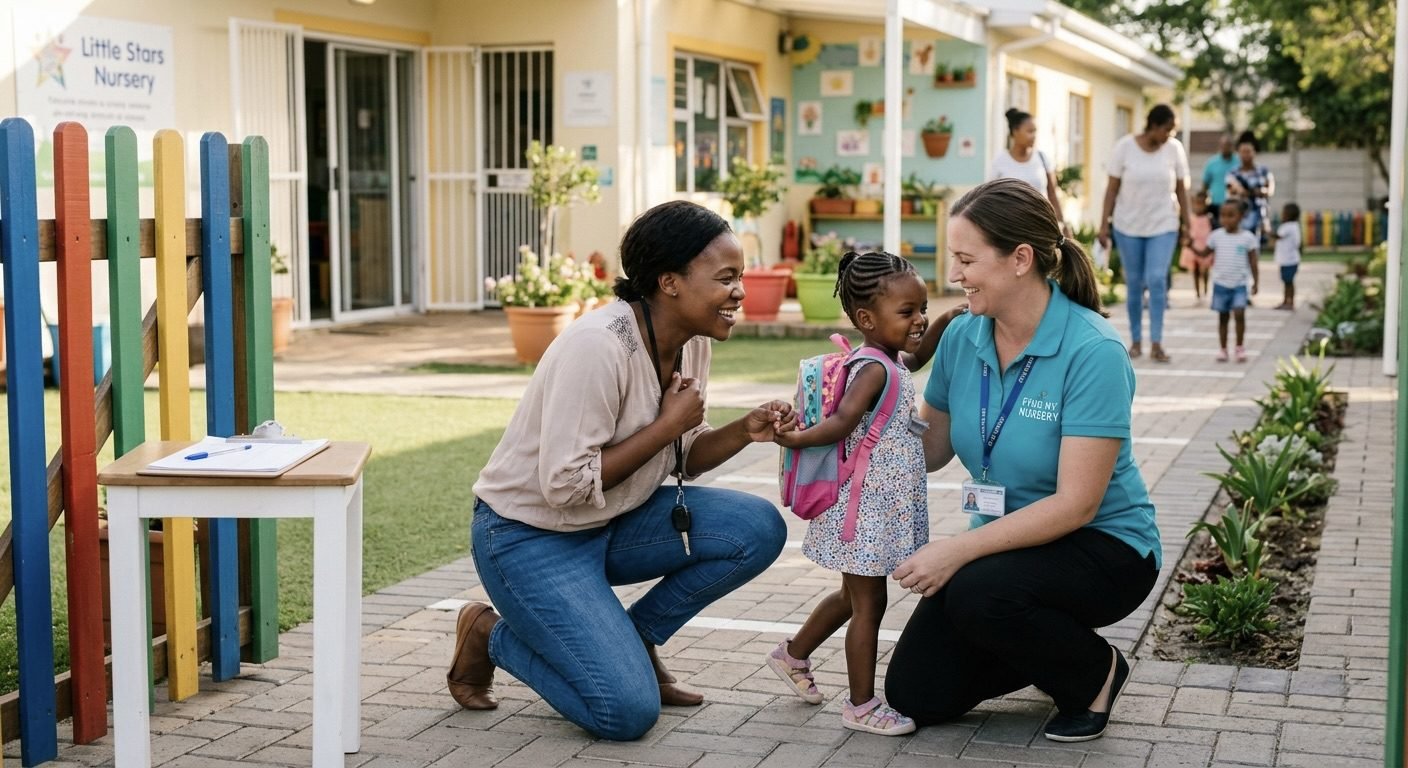 nn
nnPractical Safety for the Real World
nWeu2019ve moved past the old "stranger danger" talk because it often just creates fear. Instead, we focus on empowering our toddlers to understand their own boundaries while they are at school.
n n- n
- The "Safe Adults" Rule: We teach our children that their teachers and school staff are their "safe circle." They learn to stay with the group and that they never leave the premises with anyone they don't know. n
- Open Dialogue: We encourage them to speak up. If something feels "funny" or uncomfortable, they should feel brave enough to tell a teacher right away. n
- Boundary Awareness: This is a modern approach where kids learn about trusted adults and safe spaces, ensuring they know exactly how to ask for help if they need it. n
What Your School Should Be Doing
nA good nursery makes safety a habit. You want to see supervised movement at all times and very strict rules about who can walk through that front door. These protocols work hand-in-hand with the handover routines we use at the gate each morning.
nnHome and School Connection
nSafety is a team effort. When we reinforce these rules at home, it sticks better at school. Keeping our kids secure is a top priority, just like ensuring they are getting enough nutritional support and rest to grow strong. When we all stay involved in the school's communication, the whole system works better.
nnThe Bottom Line: Child safety is most effective when parents and schools are on the same page every single day.
nnYour Safety Questions Answered
n nKeep it simple. Use the names of people they trust, like "Teacher Sarah" or "Auntie Mary." Explain these are the people who help them if they are lost or hurt.
nThe nursery must have the collector's name and ID on file. Even if it's a family member, always let the school know in writing beforehand. No ID, no pick-up.
nTeach them to "Freeze and Shout" or find another mum or a person in a school uniform. They should stay in one spot until they are found.
nMake it about "Body Ownership." Teach them that their body belongs to them and they can say "no" to hugs or games that make them feel cross or uncomfortable.
nItu2019s the schoolu2019s final check. It creates a physical record of who took the child and when. Itu2019s the simplest way to ensure every child is accounted for.
n
Author: FIND MY NURSERY
The founders of Find My Nursery. Under the Umbrella of FM DIGITAL SOLLUTIONS
Continue Reading
Explore the next article, return to the topic page, or head back to the Parent Resource Hub.