
More Than Just Gates: What a Safe Nursery Actually Feels Like
We’ve all been there—standing at the entrance of a potential nursery school, looking at the colorful walls and the playground, trying to figure out if our child will truly be okay here. While high fences and locked gates are the obvious "must-haves," real safety is something you feel in the way the school breathes.
In South Africa, safety is a top priority, but it shouldn't feel like a prison. It should feel like a secure, well-managed home where every person knows exactly what they are doing.
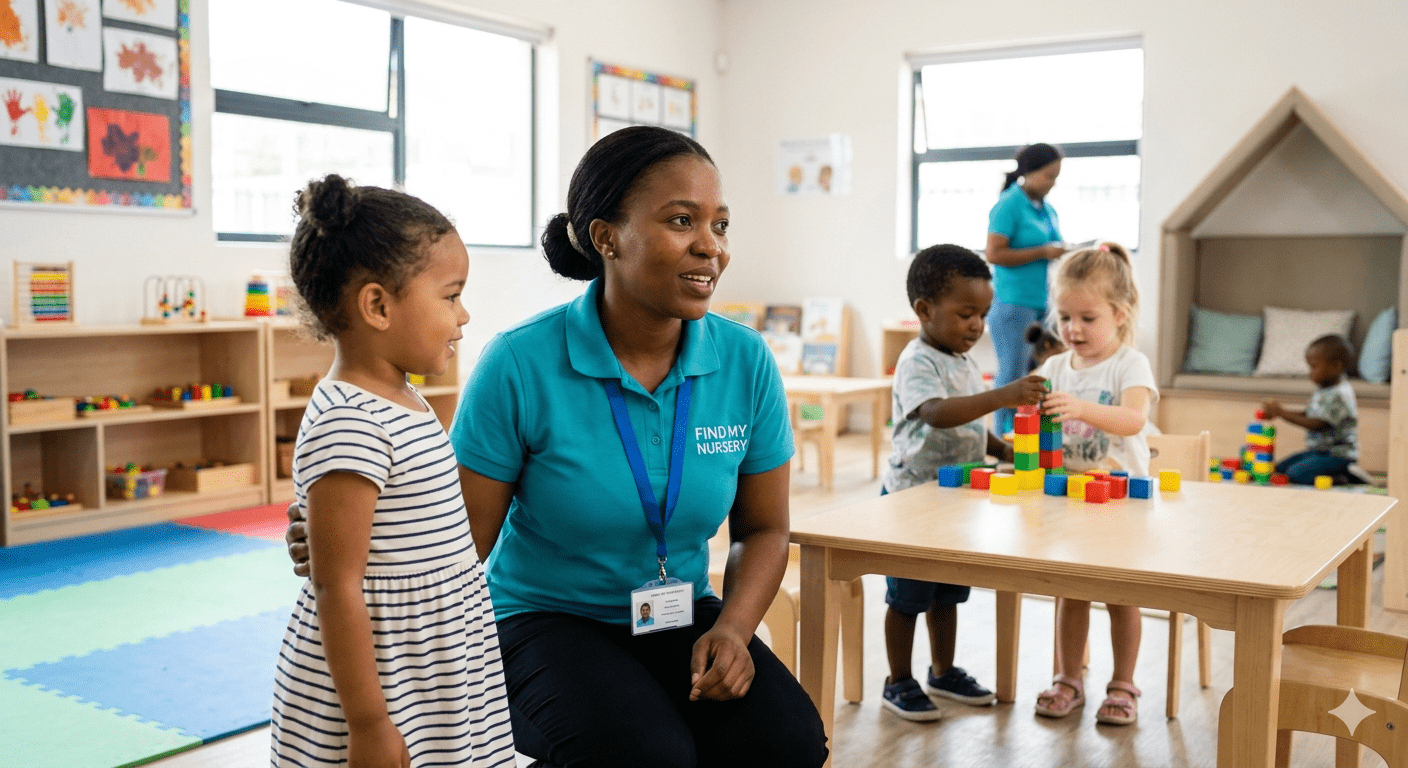
The "Eyes-On" Environment
The first thing you should notice is the teachers. Are they engaged? Are they positioned so they can see every corner of the room or playground? We call this active supervision. It’s the difference between a teacher sitting on a bench checking their phone and a teacher who is moving with the group, anticipating a trip or a tumble before it happens.
A safe environment means there are no "blind spots." If a child can wander off into a bathroom or a kitchen area without being noticed, the system is broken. This level of care is what we look for when we talk about child protection habits.
Cleanliness is a Safety Standard
We don't often think of a mop and bucket as safety gear, but they are. Hygiene is the wall that keeps out nursery illnesses. During your tour, look at the changing stations and the kitchen. If the school feels grimy, the health of your child is at risk. A safe school has a rhythm of cleaning that you can practically smell in the air—fresh and managed.
The Lockdown and The Outbound
Security is about who comes in, but also how we get out. A safe school has a strict "No ID, No Entry" rule for visitors, but they also have a rock-solid plan for emergencies. Ask the principal about their fire drills. If they hesitate or say "we do them occasionally," that’s a red flag. In 2026, we expect a school to have a digital or physical "Incident Book" where every bump and scrape is recorded and shared with you.
This accountability is the same thing we expect from our scholar transport providers. If the school doesn't have a handle on the small details, they won't have a handle on the big ones.
The Final Word: Trust your gut. If a nursery feels chaotic and unsupervised, it probably is. Look for the calm, the clean, and the constant "eyes-on" approach that gives you peace of mind.
Parent FAQ: School Safety
For toddlers, you want a small group—usually 1 teacher for every 6 to 8 kids. This ensures they can actually keep eyes on everyone at once.
Yes, or at least monitored by a person who checks IDs. An open, unattended gate is the biggest security risk a school can have.
Look at the high-traffic spots: the door handles, the bathroom taps, and the communal toy bins. If these are dusty or sticky, the cleaning isn't happening daily.
The school should have at least one first-aid certified person on-site who knows CPR and choking protocols for toddlers. Ask to see their certificate.
Because safety beats convenience. A school that asks for your ID even if they "know your face" is a school that takes child protection seriously.

Author: FIND MY NURSERY
The founders of Find My Nursery. Under the Umbrella of FM DIGITAL SOLLUTIONS
Continue Reading
Explore the next article, return to the topic page, or head back to the Parent Resource Hub.