
How to Handle Nursery Drop-Off and Separation Anxiety
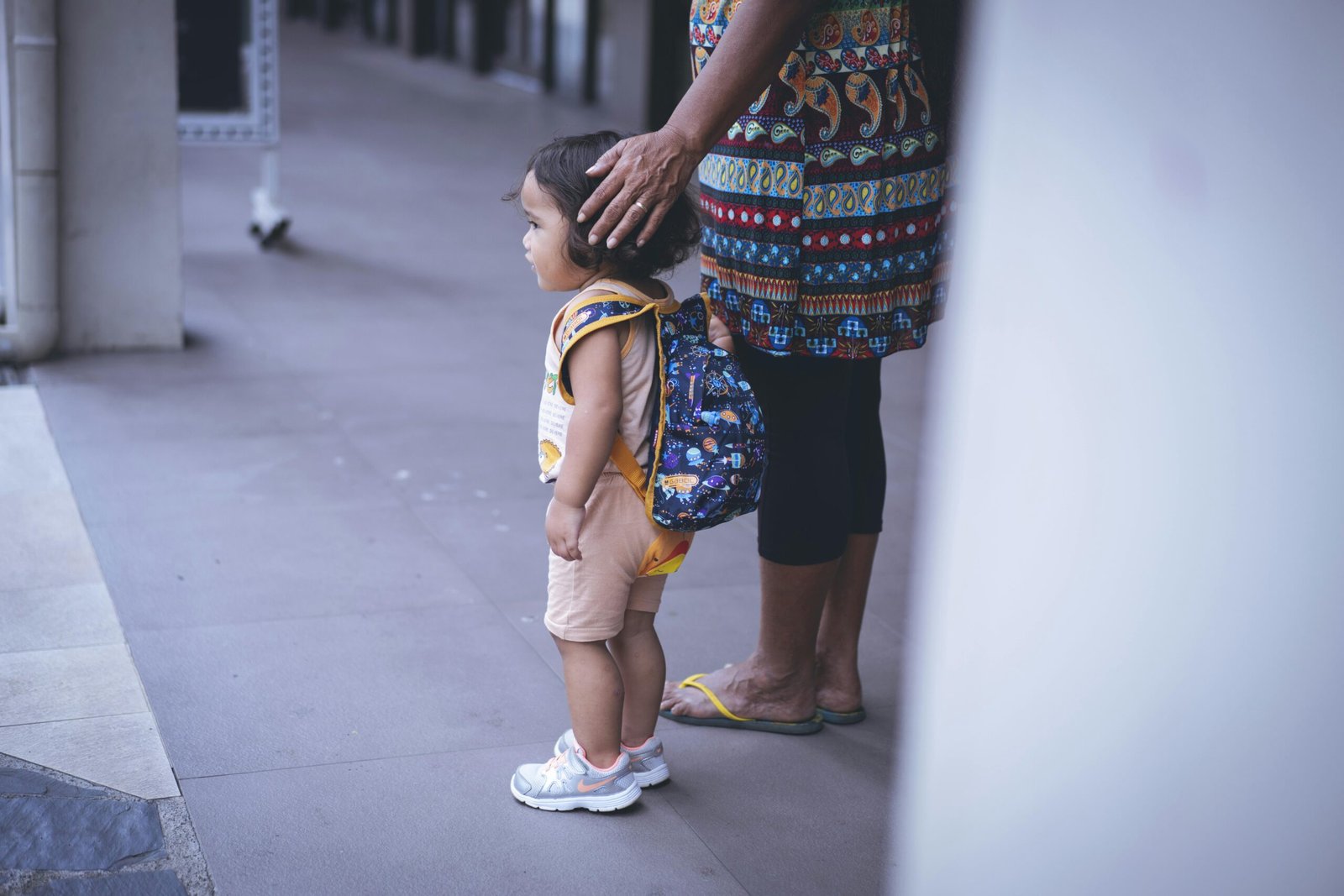
Starting nursery is a big milestone. Not just for your child, but for you as a parent too. The first few drop-offs can be emotional. Tears, clinginess, and anxiety are all normal. The key is understanding that this is part of the transition, not a sign that something is wrong.
Why Separation Anxiety Happens
Separation anxiety is a natural stage of development. At this age, children form strong attachments, do not fully understand time, and feel unsure in new environments. This is why drop-off can feel overwhelming for them.
It is not about the nursery being a bad place. It is about your child adjusting to a new rhythm.
What to Expect in the First Few Days
The first few days or weeks may include crying during drop-off, clinging to you, and changes in mood at home. This is completely normal. Most children settle once the parent leaves and begin to engage with activities shortly after.
How to Make Drop-Off Easier
A consistent approach makes a big difference. Keep drop-offs Calm, Short, and Predictable. Avoid long goodbyes; they often increase anxiety instead of reducing it.
Step 1
Walk into the nursery together calmly.
Step 2
Say goodbye confidently and clearly.
Step 3
Reassure them you will return.
Step 4
Leave without hesitation.
Create a Goodbye Routine
Children respond well to familiar patterns. Try a hug and a wave, a special phrase like “See you later,” or letting them carry a comfort item. Doing the same thing every day builds trust and reduces fear.
Stay Calm and Confident
Children pick up on your emotions quickly. If you feel anxious, they will feel it too. Even if it is difficult, show confidence. This helps your child feel safe in the environment.
Work With the Nursery
Good nurseries understand this transition phase. They will comfort your child, redirect them into activities, and keep you informed. Do not hesitate to ask how your child settles after you leave; this reassurance helps you stay consistent.
How Long Does It Take?
Every child is different. Some settle in a few days. Others take a few weeks. Consistency is key. Changing routines or giving in to difficult drop-offs can make the process longer.
When to Be Concerned
Most separation anxiety is temporary. However, you may want to look deeper if distress continues for an extended period, your child refuses to engage at all, or there are signs of extreme fear. In these cases, speak with the nursery or seek professional guidance.
Final Thoughts
Separation anxiety is part of growing up. It shows that your child has formed a strong bond with you. With the right approach, this phase becomes easier and your child gains confidence in a new environment.
Building Confidence for Your Child's Journey?
Success starts with the right support. Access our Resource Hub to explore expert-led nursery schools across South Africa that excel at transition management.
Find a Nursery Near You
Author: FIND MY NURSERY
The founders of Find My Nursery. Under the Umbrella of FM DIGITAL SOLLUTIONS
Continue Reading
Explore the next article, return to the topic page, or head back to the Parent Resource Hub.