

When Should My Toddler Start Talking?
A Real Guide for ParentsIf your toddler isn’t talking yet while other children seem to be chatting away, it can feel stressful. You might start questioning everything: Are you overthinking it, or is something wrong? This is one of the most common concerns parents have, especially between the ages of 2 and 3.
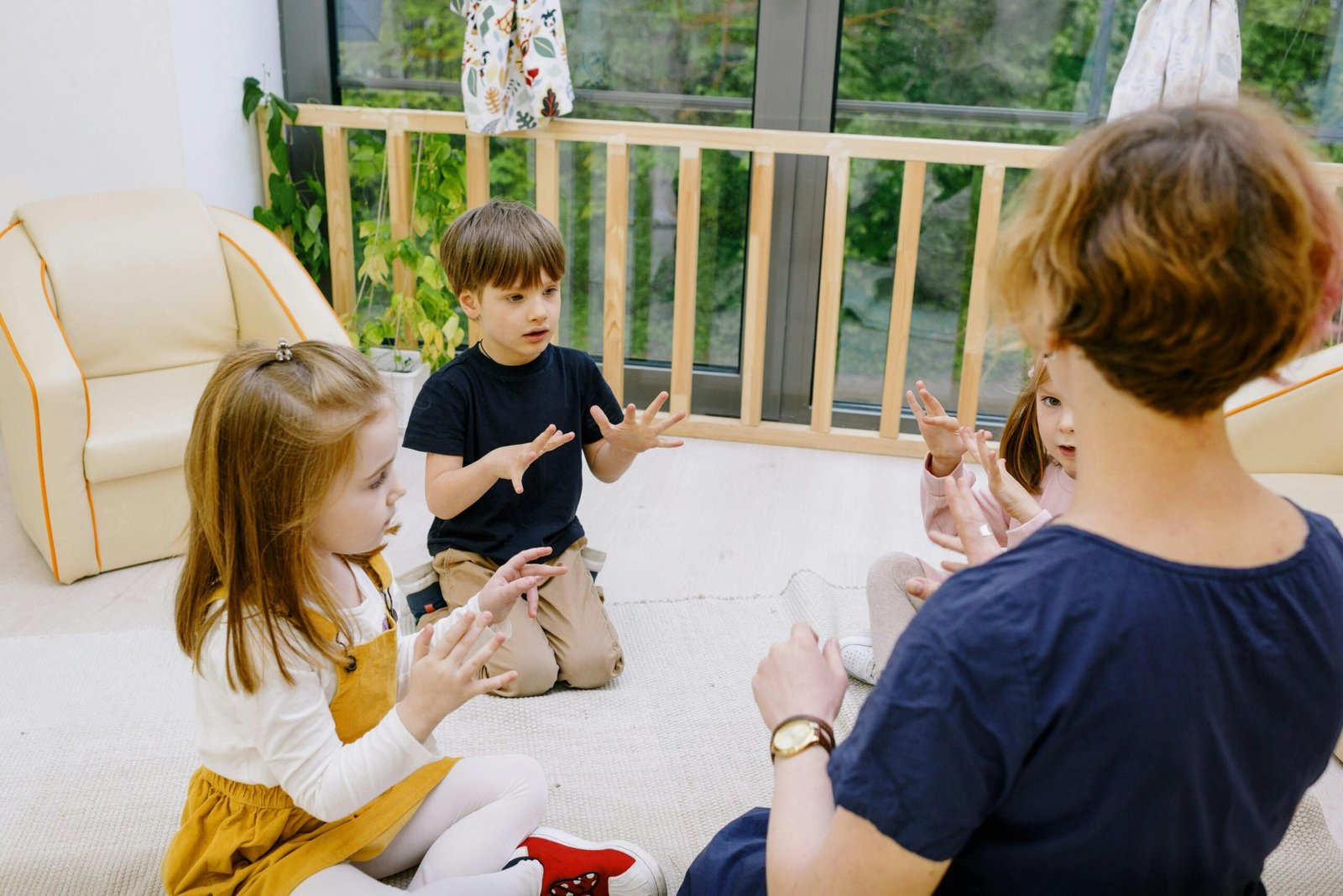
The truth is, speech development looks different for every child. But there are clear signs you can look for to understand if your toddler is on the right track.
What Is Normal Speech Development at This Age?
By the time your child reaches nursery age, you will usually start noticing more consistent communication. Around 2 to 3 years old, many toddlers begin to:
- Use simple words and short phrases
- Recognise familiar names and objects
- Follow basic instructions
- Try to express what they want, even if it is not always clear
What matters more is whether your child is progressing, not how they compare to others.
Why Some Toddlers Talk Later Than Others
Speech development is influenced by many factors. Your child might take a little longer if they are naturally more observant than expressive, learning multiple languages, or building confidence in their daily environment.
Signs Your Toddler Is Learning to Communicate
A lot of communication happens before the first clear sentences. Look for these vital progress markers:
Recognition
Turns when you call their name.
Interaction
Points to objects or things they want.
Expression
Uses gestures like waving or copying sounds.
When Should You Be Concerned About a Speech Delay?
There is a wide range of "normal," but you may want to look deeper if your toddler is not using any words by age 2, does not respond to their name, or struggles to understand simple instructions. Trust your instinct—early support can make a major impact.
The Role of Nursery in Language Growth
Many parents notice a shift once their child starts nursery. A social environment naturally creates opportunities for language through interaction with other children, structured storytime, and daily routines that encourage verbal communication.
Final Thoughts
There is no exact timeline that fits every child. Focus on connection, consistency, and creating opportunities to communicate. That is what truly supports sustainable development.

Author: FIND MY NURSERY
The founders of Find My Nursery. Under the Umbrella of FM DIGITAL SOLLUTIONS
Continue Reading
Explore the next article, return to the topic page, or head back to the Parent Resource Hub.